Our Services
Our inspections are performed with great care and attention to detail.
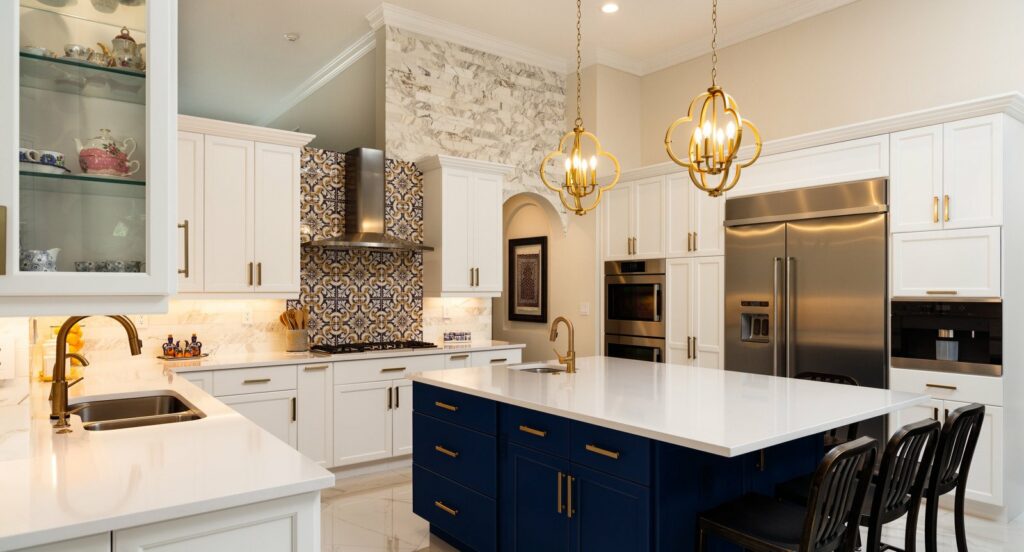
Residential Inspections
Our thorough inspections provide a detailed assessment of your home’s condition, covering everything from foundation to roof. With comprehensive reports, you can make informed decisions about your property.
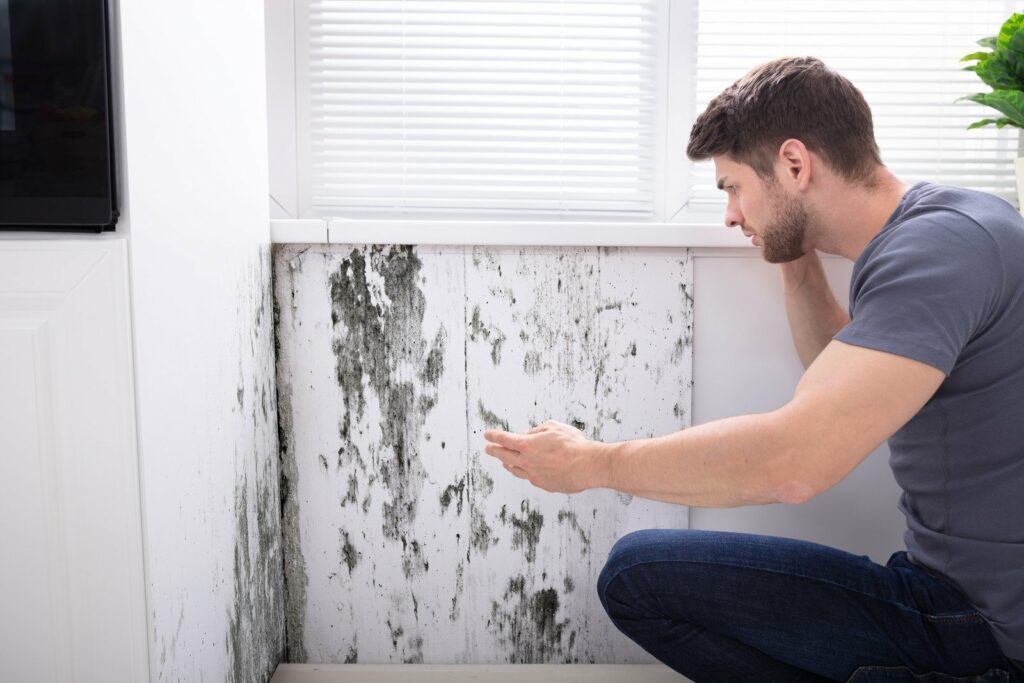
Mold Inspection
Our mold inspection service detects and assesses mold growth using advanced techniques, and provides effective remediation solutions to protect your health and property.

commercial & mixed-use INSPECTIONS
Our commercial property inspections cover mixed-use urban buildings, storefront retail spaces, and multi-unit residential properties. We thoroughly assess primary structural components, storefront facades, commercial electrical and plumbing systems, and tenant-shared utilities to protect your investment and uncover costly hidden liabilities before you buy or lease.
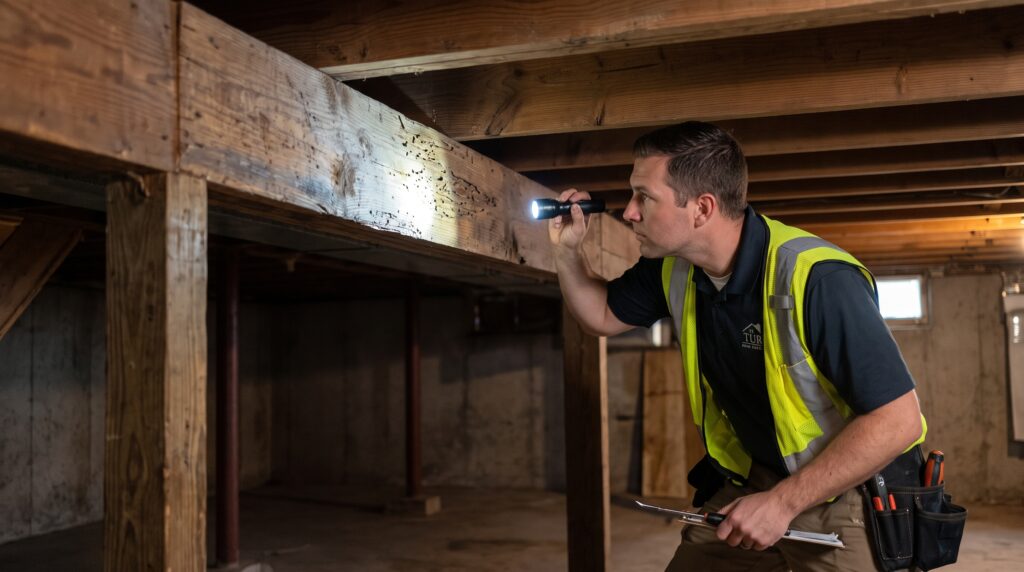
WDo / termite inspections
Our Wood-Destroying Organism (WDO) inspections detect active infestations, prior damage, and vulnerable conditions caused by termites, carpenter ants, and wood-boring beetles. Catching wood-destroying pests early protects the structural integrity of your property and prevents costly structural repairs down the road.
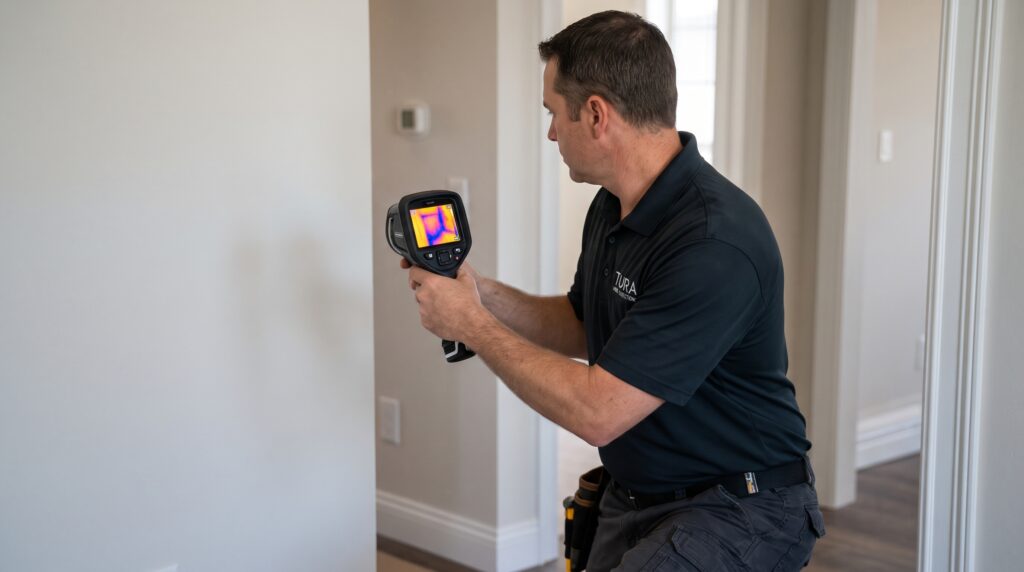
Thermal infrared imaging
Our infrared imaging inspections use advanced thermal technology to reveal hidden issues invisible to the naked eye. This non-invasive scan pinpoints concealed moisture leaks, missing or deficient insulation, drafts, and overheating electrical components before they turn into major hazards.structural repairs down the road.
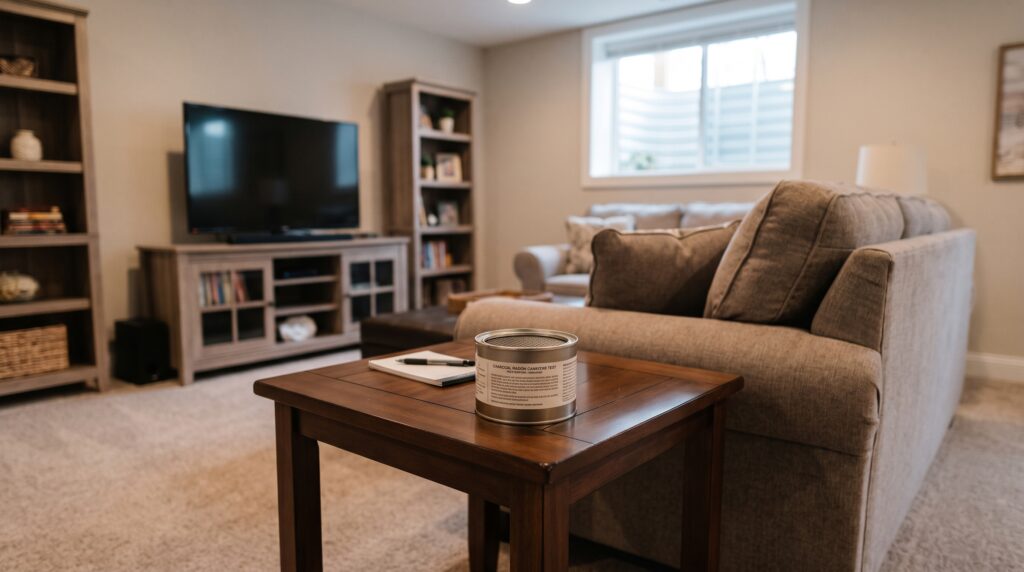
Radon monitoring
Our radon monitoring service measures indoor concentrations of radon—a naturally occurring, invisible, odorless radioactive gas. Continuous monitoring ensures your indoor air is safe and alerts you if mitigation is necessary to protect the long-term health and well-being of your family.
Frequently Asked Questions
Buying or selling a home can be a stressful experience, but we’re here to ensure you know what to expect during your home inspection.
A home inspection includes checking for any structural issues such as foundation cracks, roof leaks, plumbing issues, electrical wiring, heating/cooling systems, insulation, windows, doors, chimneys, etc. Depending on how big the property is, a home inspection typically takes 2-3 hours.
Ensure all inspection points are free from clutter, including any closets that might lead to a crawlspace or attic, and clearing some space around your home’s perimeter. It’s also important to check the functionality of all built-in appliances, electric, and gas. If you don’t plan to attend the inspection, make sure your inspector has access to the home, and all pets are properly contained or moved.
A home doesn’t pass or fail an inspection. Instead, a home inspection is a thorough audit of your home’s components. In most cases, there will be concerns marked on your home inspection report, but these are strictly informative.
While you can legally skip a home inspection in many cases, doing so could mean you may end up buying a home that has major issues that need to be fixed.
While a home inspector may recommend some minor repairs, they are not qualified to make major repairs. He or she can provide information about what needs to be repaired — and it might be helpful to know that information — but the decision to actually do the work lies solely with the homeowner. Not only does this give you the freedom to choose your contractors, but it also helps prevent a conflict of interest.
A home inspection can affect appraisals for two reasons: 1) The inspector may find something wrong with the property that would lower the value of the home, 2) The inspector may find things that need repair which could increase the value of the home. If the inspection finds issues that require repairs, then the seller has to decide whether they want to fix them themselves, or hire someone else to do it. If the buyer wants to purchase the home, he/she must be willing to pay for those repairs.
